The rain reached the roof of Pete’s camper just after midnight on race day, and I was glad for it. That’s the sound of a heatwave dying, I told the ceiling. Foul is fair.
Lincoln had been murderously hot all week, with heat indexes nosing toward 120. I worried I’d have to tell my brother it was too hot to even bother starting Gravel Worlds. Jeremy had been training in Minneapolis for nearly a year with this August Saturday, his first true gravel race, in mind.
Pete and I made it our mission to experience all 150 miles of it with him. And if we wanted to make that happen, then this wet cold front was a necessary evil. The foul weather conjured us a fair chance.

I tuned into the sound of the rain and felt a salamander’s happiness. Too excited to go back to sleep, I got to hear this happy rain increase, turn flashy, then keep on pouring. And fair grew foul again.
I stared at my phone, bewitched by the radar. This storm sat on Lincoln like a rat without a tail, and did what storms do. My phone prophesied this witchery would downpour for several hours more. We were, to paraphrase Shakespeare, screwed.
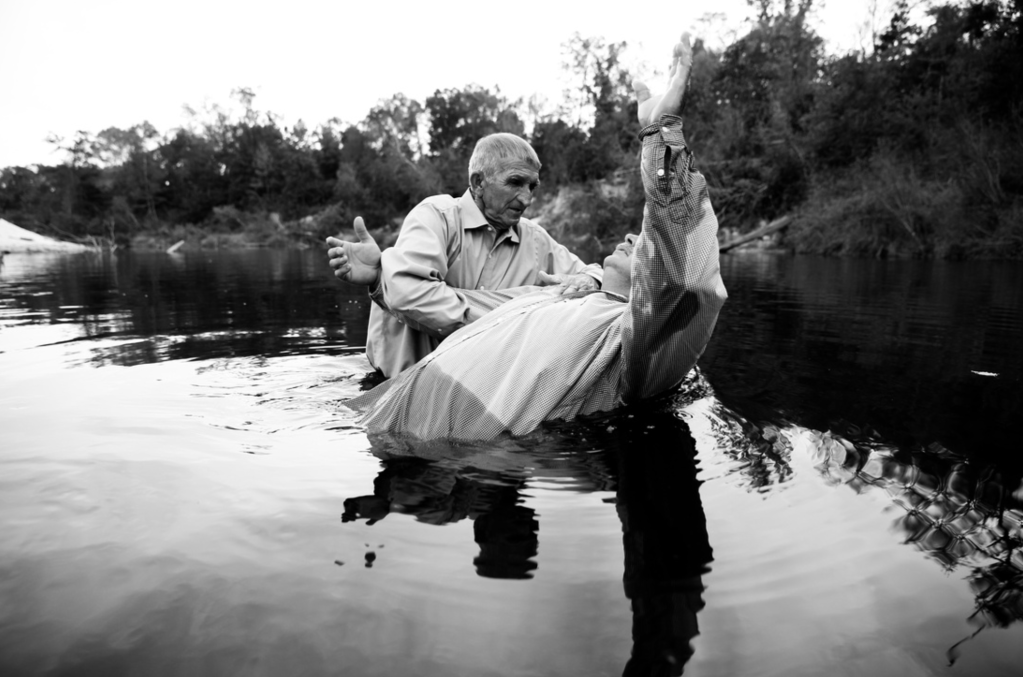
I glanced toward the camper’s front end, where Jeremy was a dark lump. On the chance he might be sleeping and not fretting, I kept quiet. What good would double worrying do? If Jeremy’s gravel-racing debut was to be a mud-soaked baptism, well, so be it.
The three of us rode a mile to the start at SchillingBridge, and were drenched before Pete’s camper fell out of eyeshot. There, we joined several hundred huddled riders beneath the restaurant’s overhang.
Days ago, three different friends had given us the same scouting report with witchy warnings about deep, loose gravel in the first 30 miles. “Get ready to swim,” they said with sadistic smiles. I didn’t doubt them, exactly. I just had no clue how precise their sorcery was.
Some four inches of rain fell in the last six hours before the start. And this fearsome mix of thick pea gravel and so much water stirred up stewy conditions I can’t compare to any road I’ve raced in 10 years of this messy business. Toss into this pot hundreds of nervous racers churning shoulder-to-shoulder, and you have a taste for this witches’ brew.

I’m accustomed by now to Gravel Worlds’ swashbuckling launch out of Fallbrook. But GW2023 wasn’t like that. It wasn’t raucous or rowdy. No jolly hollering or drunken-pirate songs. No gamely jockeying for the faster lines. No faster lines for that matter. Just a shared, slippery chaos, with all the thrashing calm and wide-eyed orderliness of a salmon run.
OK, we’re doing this, then? We’re moving ahead? We’re calling this normal?
The witches had said nothing about crashes, but I knew they were coming. Without a doubt, riders would knock into one another. Pete was maybe a dozen fish ahead; and I had Jeremy immediately behind me. I did my best to pick the least-awful way through this mess for us. If I could get through it safe somehow, and Jeremy just did everything I did, then he’d get through it, too. Right?
But here’s the thing. I didn’t see anybody crash. Mud sent riders sloshing every which way. And folks washed to both ditches with every dark color of mechanical. But nobody laid it down. And nobody crashed in waves overtop them, as far as I could see. It felt supernatural—as if someone had ridden down to the crossroads of North First and McKelvie before the storm to make some sort of dark bargain.

We might have looked chaotic. But we never crossed fins. The rain stopped; the sun rose; and we rolled through Weston unharmed. Still, our pace against the current through those first 35 sloppy miles was a brutal 10 mph. And my normalized power looked like it normally would at almost twice that speed.
Jeremy kept strong and uncomplaining through it. But this workload was uncooked lunacy. And we had 115 miles to go.
I spent a lot of time from here fretting about pace. Most gravel races, Worlds included, set checkpoint cutoffs at that same 10 mph. It’s a necessary floor that helps events manage their volunteers.
We could, in theory, let ourselves sink beneath that cutoff for a bit. But that felt risky, like betting a pound of flesh, then banking on better roads and fresher legs to bring us back above the blade.

Nope. Not doing that. If we had a dozen hours left to get back to Fallbrook, then we needed to keep our noses above the 10 mph waterline. Stops included.
We took the necessary time at Checkpoint 1: a friendly farmstead complete with a cyclocross course that wove us around and through an open barn. And when we rolled back out, I was happy to see we’d held onto 10.0. After much work, it ticked to 10.1; then 10.2. And thereabouts is where it stuck.
Was that enough to bank against a second-half fade? I honestly didn’t know.
I might sound as if I’d been itching for my little brother to go faster. (Come on, Jeremy. Tick-tock.) But the truth is, Pete and I were also paying for our brutal start. And I’d have gladly voted we slow down or take breaks if I didn’t fear the wrath of Schmidty’s scabbard.

Jeremy refused to whine, and his positivity hid the damage we’d taken. But as he weakened, I spotted a peculiar Wendt-family trait. Jeremy could look around and see amazingness in all the people near us (“Look how strong that dude is”), while somehow missing it in himself.
Near the halfway point, we approached a woman slogging her way uphill. I could tell by how she swung her weight over each pedal stroke that she was mashing singlespeed. I told Jeremy, and he snorted.
“There are some ridiculous humans out here,” he said. He watched Shae Rossetti of Des Moines, Iowa, the eventual women’s singlespeed winner, finish the hill out of the saddle then settle back into her descent to tackle the next wave. “What she’s doing is absurd,” he said, oblivious to the fact that he was riding the same waves, up to his elbows in the same absurdity. Blind to the ridiculousness of his own accomplishment.
Eventually, Jeremy cracked. I don’t know exactly where, because he didn’t whine about it. But after the Randy Gibson climb near mile 80, he looked drained, dry as hay. There was no hiding it any longer. (The captain in Act I waits for his final line to report: But I am faint. My gashes cry for help.)
We decided we’d soft-pedal to the next town and make our final call at mile 90 in Valparaiso. (“Valley of Paradise, my eye,” Jeremy said.) His sister-in-law would be waiting for us.
We found her vehicle near the gas station and tilted toward it.
“These people here,” Jeremy said, gesturing wildly to the riders limping in and out of town, “they aren’t normal, Beth.” He put on a traumatized face—as if he’d witnessed sorcery and not joined in it. “They can do things—things normal people can’t do!”
Pete did his best to get as many convenience-store calories into Jeremy as his system would accept. And we waited for his body to render a ruling. Twenty minutes later, Jeremy’s heart rate remained stubbornly in a high fog. Sixty more miles weren’t in the cards. He called it because he had to call it.
Pete and I carried on, and I’d like to tell you we rode from there like witches on broomsticks. But we didn’t. We were mostly broken, too. And I’d just end this story at Jeremy’s finish (the finish I care about), except for one thing.
When Pete and I reached the second checkpoint late, toward the race’s rear end, we stumbled into a level of care that simply cannot go unremarked. This was well into that ugly time of day where volunteers are to be forgiven if they’ve grown tired of the triage.
Here, volunteers Kevin Fox and Josh Sheer in particular rolled out the reddest of carpets. My bottles disappeared and returned, gorged. A Coke was opened and slid into my (trembling) hand. Sunglasses were plucked, rinsed, wiped dry and returned. An ice sock was force-fed fresh cubes and stuffed down the back of my jersey’s neck. And my helmet and headband both got cold baths. My skull itself was invited to the spigot and given a proper hosing.
“When you’ve had nothing but mud and sweat in your eyes for this long,” Josh said, “it feels so great to just have clean water running down your face.” And he was goddamned right.
When we were ready, they shooed us off the property and toward our finish line.
“I can’t wait to read about this one,” Kevin told me on our way out, as if what we were doing out here—our silly little gravel race experience—was somehow special. As if our story, our time on this muddy little stage, might actually signify something to somebody. Anyone at all.
I shook my head. I couldn’t see it.
 Dirt Tan Bike Club
One thought on “Gravel Worlds 2023: Fair Is Foul”